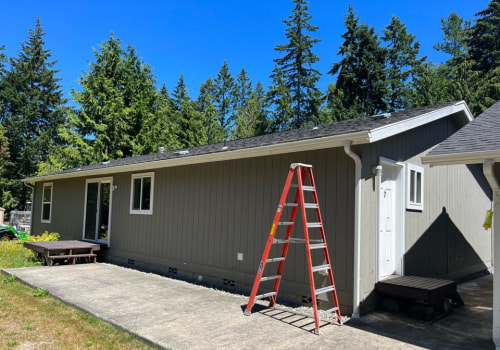
A roof faces rain, wind, falling debris, moisture, and seasonal temperature changes throughout the year. Without regular attention, minor wear can develop into leaks, damaged insulation, rotted decking, or structural repairs.
Roof maintenance does not require homeowners to complete every task themselves. Safe visual inspections, gutter cleaning, attic checks, and prompt repair planning can help identify concerns before they spread. Roof maintenance does not require homeowners to complete every task themselves. Safe visual inspections, gutter cleaning, attic checks, and prompt repair planning can help identify concerns before they spread.
Port Orchard’s wet conditions, surrounding trees, and moss growth make consistent roof care especially important. Maintenance should include the roofing surface, flashing, gutters, ventilation, and drainage rather than focusing only on shingles or panels.
Buildwith3h helps Port Orchard property owners coordinate roof inspections, repairs, drainage improvements, and related exterior construction.
Create a Regular Roof Maintenance Schedule
Roof maintenance is easier to manage when it follows a routine instead of beginning only after a leak appears.
Plan general inspections at least twice each year. Spring and fall provide useful opportunities to check for winter damage, fallen debris, clogged gutters, moss growth, and changes that developed during warmer months.
A basic maintenance schedule should include a ground-level roof inspection, an attic moisture check, gutter and downspout cleaning, debris removal, and a review of flashing, ventilation, and drainage.
Additional inspections may be useful after strong winds, heavy rain, falling branches, or other severe weather.
Keep notes about the roof’s condition and record visible changes. Photographs taken from the same locations can make it easier to compare missing materials, moss growth, flashing movement, and other concerns over time.
Maintenance may need to be completed more frequently when the home is surrounded by trees or has roof sections that remain shaded and damp.
A schedule cannot prevent every roofing problem, but it can help homeowners identify small concerns before water reaches the decking, insulation, framing, or interior finishes.
Inspect the Roof Safely From the Ground
Begin each roof inspection from the ground instead of immediately climbing a ladder.
Walk around the property and view the roof from several angles. Binoculars or a camera with a zoom feature can help you examine areas that are difficult to see clearly.
Look for missing roofing materials, lifted shingles, cracked surfaces, bent metal, sagging sections, damaged ridge materials, moss, loose gutters, and flashing that appears displaced.
Check the ground around the home for shingles, fasteners, pieces of flashing, granules, or branches that may have fallen from the roof.
Stand far enough from the building to view the overall roofline. A sagging or uneven section may indicate damaged decking, framing movement, or another structural concern.
Do not climb onto a wet, steep, icy, damaged, or unfamiliar roof. Roofing materials may be more fragile than they appear and can crack or shift underfoot.
When the roof cannot be evaluated safely from the ground, hire a contractor with the equipment and experience to complete the inspection.
Check the Attic for Moisture
The attic may reveal roof problems that are not visible from outside.
Inspect it during or shortly after heavy rain when practical. Use a flashlight and remain on secure walking surfaces rather than stepping onto unsupported insulation.
Look for water stains, damp insulation, darkened wood, mold-like growth, rusted fasteners, wet roof decking, dripping water, musty odors, or unexpected daylight.
Pay particular attention to areas beneath chimneys, valleys, skylights, plumbing vents, and roof transitions. These locations contain joints and flashing where water may enter when materials become damaged.
A ceiling stain does not always appear directly below the source of a leak. Water can travel along rafters, decking, pipes, or other surfaces before dripping into the insulation or living area.
Daylight entering the attic may indicate a hole, but not every visible light source is a defect. Some ventilation components are designed to remain open. The area should be evaluated before it is sealed.
Wet insulation should not simply be left to dry without finding the source of the moisture. Continued water entry can damage wood, reduce insulation performance, and contribute to indoor moisture problems.
Active leaks, widespread dampness, sagging decking, or damaged framing should be inspected by a qualified roofing contractor.
Inspect the Roof After Storms
Strong winds, heavy rain, and falling branches can damage a roof even when the problem is not immediately visible indoors.
After severe weather, inspect the property from a safe location. Look for missing shingles, lifted roof edges, bent flashing, fallen branches, damaged gutters, loose metal panels, cracked tiles, damaged vents, and roofing pieces on the ground.
Wind may lift roofing materials without removing them completely. A raised shingle or loose panel can allow water underneath during later storms.
Branches may crack roofing, damage flashing, dent metal, or weaken the roof deck. Remove only small debris that can be reached safely from the ground. Large or unstable branches should be handled by qualified professionals.
Inspect siding, soffits, fascia, windows, and exterior trim as well. Damage around the roof edge can affect drainage or allow moisture into concealed areas.
Photograph visible conditions before temporary cleanup or repair work begins. These records may help contractors understand what happened and can support discussions with an insurance company when applicable.
Arrange a professional inspection when a storm involves high winds, heavy impact, active leaking, or damage that cannot be viewed safely.
Remove Leaves, Branches, and Debris
Leaves, needles, branches, and other debris can collect in roof valleys, behind chimneys, around skylights, and along roof edges.
This material can hold moisture against the roof, slow drying, block drainage paths, clog gutters, encourage moss growth, and hide damaged materials. Debris can also redirect runoff toward areas that were not designed to manage concentrated water.
Keep the roof clear, but avoid aggressive cleaning methods that can damage the surface.
Do not scrape asphalt shingles with sharp tools or use equipment that removes protective granules. Pressure washing may force water beneath roofing materials and damage shingles, wood, flashing, or sealants.
Small debris may sometimes be removed with approved tools from a safe ladder position. Reaching too far across the roof or walking on steep surfaces can create a serious fall risk.
Branches rubbing against the roof should be trimmed before they scrape roofing materials or continue dropping debris. Larger tree work may require a qualified tree professional.
When debris cannot be removed safely from the ground or roof edge, contact a roofing contractor. Preventing an injury or damage to the roof is more important than completing the cleaning alone.
Manage Moss and Organic Growth
Moss often develops on roof sections that remain shaded and damp for long periods.
North-facing slopes, areas beneath trees, and sections near valleys may dry more slowly than open areas exposed to sunlight. Leaves and needles can make the problem worse by trapping moisture against the roof.
Moss can lift roofing materials, block drainage, hide cracks, and hold moisture against the surface. Thick growth may eventually spread into valleys and gutters.
Check the roof regularly for green growth, dark streaks, and thick patches around shingle edges.
Do not remove moss with aggressive scraping or pressure washing. These methods may loosen protective granules, damage wood, force water beneath the roofing, or disturb flashing.
Cleaning products should be approved for the specific roofing material and applied according to the manufacturer’s instructions. Products suited to asphalt shingles may not be appropriate for metal, tile, or wood roofing.
Moss treatment alone may not correct the conditions that allowed it to grow. Overhanging branches, clogged gutters, poor drainage, and persistent shade may also need attention.
Large areas of growth or roofing that appears soft, loose, or damaged should be evaluated by a qualified contractor before cleaning begins.
Clean Gutters and Downspouts
Gutters move roof runoff toward downspouts and away from the building. When they become clogged, water may overflow onto roofing, fascia, siding, walkways, or the foundation.
Leaves, pine needles, twigs, moss, roofing granules, dirt, and nesting materials can all interfere with drainage.
Clean gutters at least twice each year and more frequently when trees surround the property.
Before beginning, confirm that the ladder is stable and placed on firm, level ground. Wear gloves and avoid leaning beyond the ladder’s safe working position.
Remove loose debris, then flush the gutter with water to check its flow. Water should move toward the downspouts without collecting in low sections.
During cleaning, look for sagging gutters, loose fasteners, open joints, corrosion, cracks, damaged end caps, poor slope, and leaking seams.
Downspouts should remain clear and direct water away from the home. Extensions may be needed when runoff collects near walls or the foundation.
If the gutters are too high to reach safely or the home has steep ground around it, hire a professional rather than attempting the work from an unstable ladder.
Inspect Asphalt Shingles
Asphalt shingles should be checked for changes that may allow water beneath the roofing system.
Watch for missing tabs, lifted edges, cracks, curling, blisters, exposed fasteners, loose ridge caps, missing granules, uneven surfaces, and dark or damaged areas.
Some granule loss is expected as shingles age, but large amounts collecting in gutters or near downspouts may indicate increased surface wear.
Pay close attention to roof edges, ridges, valleys, and areas around chimneys, skylights, and vents. Wind and concentrated runoff can place added stress on these locations.
Do not walk across brittle, wet, moss-covered, or damaged shingles. Foot traffic may crack older materials or loosen tabs that still appear intact from the ground.
An isolated damaged shingle may sometimes be replaced without reroofing the entire home. The surrounding materials should still be checked for age, wear, and compatible replacement options.
Repairs should use suitable fasteners, flashing, and sealing methods. Roofing cement may provide limited temporary protection, but it should not replace a proper repair.
Widespread cracking, curling, granule loss, or repeated leaks may indicate that the roof needs a broader evaluation.
Maintain Metal, Tile, and Wood Roofing
Roof maintenance methods should match the material installed on the building.
Metal roofs should be checked for loose fasteners, open seams, scratched coatings, corrosion, bent panels, loose trim, and damaged flashing. Exposed-fastener systems may require more frequent attention because the screws and washers remain open to weather.
Tile roofs should be inspected for cracked, displaced, or missing pieces. Avoid walking on tile without suitable training and equipment because individual sections may break under concentrated weight.
Wood shakes and shingles may develop splitting, curling, rot, moss, insect damage, or uneven weathering. Debris should not be allowed to collect between roofing pieces or in shaded areas where moisture dries slowly.
Synthetic and composite roofs should be maintained according to the product manufacturer’s instructions. Cleaning methods and repair products suited to natural slate, wood, or tile may not be appropriate for manufactured alternatives.
Contact a contractor with experience in the specific roofing system when repairs are needed. Treating every roof the same can damage materials or create leaks around fasteners, seams, and flashing.
Examine Flashing and Roof Penetrations
Flashing helps direct water away from joints, openings, and transitions in the roof.
Inspect the areas around chimneys, skylights, plumbing vents, exhaust vents, dormers, valleys, wall connections, roof edges, and material transitions.
Look for corrosion, open seams, lifted edges, cracks, missing pieces, damaged sealant, and water staining beneath the flashing.
Sealant may provide added protection in certain locations, but it should not be used as a permanent substitute for properly installed flashing. Repeatedly coating a failed joint can hide movement or corrosion without correcting the underlying problem.
Rubber boots around plumbing vents may crack or split as they age. Skylights may also develop leaks around their flashing, seals, or surrounding roofing.
Water entering near a chimney or vent may travel beneath the roofing before appearing indoors. The visible stain may be several feet from the failed connection.
Do not pull, bend, or remove flashing during a basic homeowner inspection. Disturbing the material can create an opening that was not leaking before.
Loose, damaged, or corroded flashing should be repaired by a contractor familiar with the roofing material and its water-protection details.
Check Gutters, Roof Edges, and Drainage Together
The roof edge, gutters, and downspouts should work together to move water away from the home.
During an inspection, examine the lower roofing courses and the point where water enters the gutter. Damaged or poorly positioned materials can allow runoff to move behind the gutter instead of into it.
Loose drip edge, rotted fascia, stained trim, sagging gutters, water marks on siding, and erosion beneath downspouts may all indicate drainage problems.
Water spilling over the gutter may be caused by debris, poor slope, damaged sections, limited capacity, or downspout blockages.
Roof valleys direct concentrated runoff toward the gutter system. Debris near the lower end of a valley can slow drainage and force water beneath roofing materials.
Downspouts should carry runoff away from the house instead of releasing it directly beside the foundation. Extensions or other drainage improvements may be needed when water collects near walls, walkways, or landscaping.
Damage to fascia or roof edges should be addressed before attaching new gutters to weakened material.
Treating the roofing and drainage system as one connected assembly can help prevent water from reaching siding, trim, foundations, and interior areas.
Review Attic Ventilation and Insulation
Attic ventilation and insulation can affect roof performance, indoor comfort, and moisture levels.
Look for blocked intake vents, damaged exhaust vents, compressed insulation, missing insulation, wet materials, condensation, mold-like growth, rusted fasteners, and unsealed openings.
Intake vents are commonly located near the lower roof edge, while exhaust vents are placed higher on the roof. These components should work together to support airflow.
Insulation should not block required ventilation paths. Baffles or other approved materials may be used to keep airflow open near the eaves.
Bathroom fans, kitchen exhaust systems, and dryers should not release damp air into the attic. Moisture from these sources can collect on decking, framing, insulation, and metal fasteners.
Adding more roof vents does not automatically solve condensation or moisture problems. Air sealing, insulation, fan discharge, and the existing ventilation design should be evaluated together.
Wet insulation may need replacement when it cannot be dried or has lost its intended performance. The moisture source must also be corrected before new material is installed.
A roofing or insulation professional can evaluate the attic when airflow patterns and moisture sources remain unclear.
Trim Branches Near the Roof
Tree branches can damage roofing through direct contact, falling impact, shade, and repeated debris buildup.
Branches that rub against the roof may scrape shingles, coatings, flashing, or wood surfaces. During wind, this contact can loosen materials and wear away protective finishes.
Nearby trees can also contribute to clogged gutters, moss growth, slow roof drying, animal access, damaged vents, and blocked drainage.
Dead, cracked, or unstable branches should be removed before they fall onto the roof.
Trimming can reduce shade and debris around the home. The goal is not necessarily to remove every nearby tree, but to maintain enough clearance to protect the roof and allow reasonable drying.
Do not attempt to cut large branches from the roof or a ladder. The weight and movement of a limb can cause a fall, damage the home, or strike nearby power lines.
Qualified tree professionals should handle large branches, difficult locations, and work near electrical lines.
After tree trimming, inspect the roof and gutters for loose debris that may have fallen during the work.
Learn the Warning Signs of a Roof Leak
Roof leaks may begin as small changes that are easy to overlook. Common warning signs include:
Water stains on ceilings or walls
Peeling or bubbling paint
Musty odors
Damp insulation
Mold-like growth
Darkened framing
Dripping sounds during rain
Missing roofing materials
Damaged flashing
Overflowing gutters
A stain that appears dry may still indicate an active problem. Water entry can stop temporarily when rain direction, wind, or temperature conditions change.
Leaks around chimneys, skylights, vents, and valleys may travel beneath the roofing before reaching the interior. The source should be located instead of repairing only the visible ceiling damage.
Repeated moisture can affect drywall, insulation, electrical components, decking, and framing. Delaying repairs may allow a limited roofing problem to become a broader construction project.
Photograph stains and note when they appear. Information about wind direction, rainfall, and recent storms may help a contractor trace the leak.
Active dripping, sagging ceilings, widespread moisture, or water near electrical systems should receive prompt professional attention.
Avoid Unsafe DIY Roof Repairs
Some maintenance tasks can be completed from the ground or a stable ladder, but roof work can quickly become dangerous.
Do not climb onto a roof that is wet, moss-covered, icy, steep, sagging, structurally damaged, or near electrical lines.
Wear and damage can make roofing materials less stable than they appear. Asphalt shingles may crack, tile can break, and metal panels may become extremely slippery.
Avoid pressure washing unless the roofing manufacturer specifically approves the method. High-pressure water can damage materials, remove protective granules, and force moisture beneath the roof surface.
Roofing cement and surface sealants may provide temporary protection in limited situations, but they should not be treated as permanent repairs for damaged flashing, failed roofing, or structural movement.
Do not remove shingles, flashing, vents, or other components without understanding how the surrounding materials direct water.
A homeowner who lacks safe access, suitable tools, or experience with the roof material should contact a qualified contractor. Preventing an injury or larger leak is more important than attempting to complete the repair alone.
Know When to Call a Roofing Contractor
Routine observations can help homeowners notice problems early, but some conditions require professional evaluation and repair.
Contact a contractor when you find active leaks, widespread missing materials, sagging sections, soft decking, rot near the roof edge, structural damage, repeated flashing leaks, or large areas of moss and decay.
Professional help is also appropriate after severe storms or when water appears near electrical systems. The same applies when the roof is steep, high, wet, or difficult to access safely.
A roof approaching the end of its expected service life may need a broader inspection. Repeated small repairs can become less practical when materials are worn across several sections.
Choose a contractor with experience working on the specific roofing material. Asphalt shingles, metal panels, tile, wood roofing, and low-slope membranes each require different repair methods.
Ask the contractor to explain the source of the problem, the recommended repair, and the condition of nearby materials. A repair should address the reason water entered instead of covering only the visible symptom.
Prompt professional attention can limit damage to the roof deck, framing, insulation, drywall, and finishes inside the home.
Keep Roof Maintenance Records
Maintenance records can help homeowners track changes and explain previous work to contractors.
Record inspection and cleaning dates, gutter maintenance, moss treatments, storm damage, leak locations, and completed repairs. Save photographs, invoices, contractor reports, product information, warranties, permits, and inspection records.
Photographs are especially useful when taken from the same areas over time. They can show changes in moss growth, flashing, roof edges, gutters, and surface wear.
Record when interior stains or leaks appear. Note the location, weather conditions, wind direction, and approximate amount of rain when possible.
Keep the names and product details of replacement shingles, panels, tiles, or other materials. Matching repairs can become difficult when the original material is discontinued or its color changes with age.
Maintenance records may also help with warranty claims, insurance questions, future remodeling, and property sales.
Store digital and paper copies in a location where they can be found easily when a contractor needs them.
Protect Your Roof With Consistent Maintenance
A roof performs best when its materials, drainage, flashing, ventilation, and surrounding conditions are maintained together.
Regular care should include safe visual inspections, attic moisture checks, gutter cleaning, debris removal, moss monitoring, tree maintenance, and prompt repairs.
Small warning signs should not be ignored. A lifted shingle, blocked gutter, cracked vent boot, or loose piece of flashing may allow moisture to reach materials beneath the roof.
Homeowners should complete only the work they can perform safely. Steep slopes, wet surfaces, structural damage, and major repairs belong with qualified professionals.
Consistent maintenance cannot prevent every storm or material failure, but it can help uncover problems before they spread and support a longer service life for the roofing system.
Buildwith3h helps Port Orchard property owners coordinate roof repairs, drainage improvements, inspections, and related exterior construction.
Contact us to discuss concerns about your roof and plan the maintenance or repairs needed to protect your property.