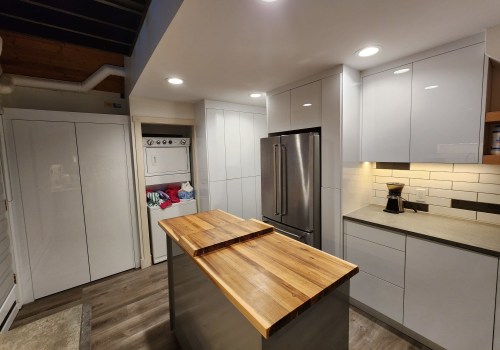
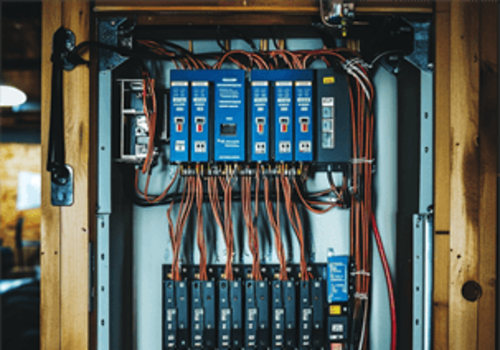
New fixtures and appliances can change how a kitchen, bathroom, laundry room, or living area looks and functions. A better sink can simplify meal preparation, updated lighting can improve visibility, and properly selected appliances can make everyday tasks more convenient.
Successful installation involves more than choosing products based on appearance. The new fixture or appliance must fit the available space, connect properly to existing plumbing or electrical systems, and work with nearby cabinets, counters, walls, flooring, and ventilation.
Buildwith3h helps Port Orchard homeowners coordinate fixture and appliance installation with plumbing, electrical work, cabinets, flooring, and other parts of a residential remodel.
Begin With the Goals for the Space
Before shopping for products, identify what needs to improve in the room.
Some homeowners want to replace worn or unreliable fixtures. Others may need more storage, better lighting, easier controls, greater capacity, or a layout that better supports their daily routines.
Separate performance concerns from appearance preferences. A dishwasher that no longer cleans properly presents a different problem from one that works but does not match the remodeled kitchen.
Consider how the space is used throughout the day. A household that cooks often may prioritize appliance capacity, ventilation, and easy-to-clean surfaces. A bathroom shared by several people may benefit from more practical faucet controls, added lighting, or fixtures that are easier to maintain.
Establishing priorities before shopping can prevent optional features from taking attention and budget away from the improvements that matter most.
Evaluate Existing Connections
The existing plumbing, electrical, gas, ventilation, and drainage connections should be reviewed before new products are ordered.
The inspection may include:
Water-supply lines
Drain connections
Shutoff valves
Electrical outlets and circuits
Gas connections
Exhaust ducts
Equipment clearances
Existing mounting points
Look for corrosion, leaks, loose connections, damaged wiring, and previous alterations. A new appliance should not be attached to an unsafe or deteriorated connection simply because it is already in place.
Some existing connections may remain usable, while others may need to be moved, replaced, or upgraded. A new range could require different electrical or gas service. A dishwasher may need an updated shutoff valve, drain connection, or outlet.
Identifying these needs early helps the homeowner understand the full installation scope rather than discovering added work after delivery.
Measure the Available Space
Accurate measurements are necessary before selecting fixtures and appliances.
Record the width, height, and depth of the installation area. Include nearby walls, counters, cabinets, trim, doors, drawers, and walkways that could affect placement or operation.
Appliance measurements should account for more than the main cabinet. Handles, hinges, doors, hoses, cords, ventilation gaps, and rear connections may require additional room.
Check how the product will enter the home. A refrigerator or range may fit the final opening but still be too large to pass through a doorway, hallway, stairway, or tight corner.
Clearance also matters during use. Dishwasher doors, oven doors, refrigerator drawers, and cabinet doors should be able to open without blocking each other or creating an unsafe walkway.
Do not assume that a new product will fit because it is the same general type as the old one. Manufacturer dimensions should be compared with detailed field measurements before ordering.
Choose Fixtures That Support Daily Use
Fixtures should be selected for how they will be used, not only how they look in a showroom or photograph.
Faucets, sinks, toilets, shower fixtures, and lighting can affect comfort, cleaning, storage, and movement throughout the room.
Consider who will use each fixture and how often. Handle placement, mounting height, sink depth, faucet reach, and control style may make a fixture easier or harder to operate.
Maintenance should also influence the decision. Some finishes show fingerprints or water spots more easily, while detailed fixture shapes may require additional cleaning.
Durability and replacement-part availability are especially important for frequently used fixtures. A stylish product may become frustrating when cartridges, trim pieces, or other parts are difficult to find.
The best choice should fit the room’s design while supporting practical daily use.
Select Appliances Around Household Needs
Appliances should be selected based on household routines, available space, and expected use.
Consider cooking habits, laundry volume, food storage, cleaning needs, ventilation, and seasonal comfort. A larger or more expensive appliance does not always provide a meaningful benefit.
Review features carefully and separate useful functions from options that are unlikely to be used. Added technology may increase the purchase price and create more components that require maintenance.
Other factors may include:
Appliance capacity
Control layout
Noise level
Cleaning requirements
Energy and water use
Replacement-part availability
Warranty coverage
Service access
The home must also be able to support the selected appliance. Electrical capacity, gas service, water pressure, drainage, ventilation, and available clearance should be confirmed before the product is purchased.
Selecting an appliance around actual household needs can provide better value than choosing one based mainly on size, appearance, or the number of advertised features.
Confirm Product Dimensions Before Ordering
Manufacturer dimensions should be reviewed before a fixture or appliance is purchased.
The listed width, height, and depth may not include every part of the product. Handles, hinges, doors, trim pieces, hoses, cords, and rear connections can increase the amount of space needed.
A refrigerator door may need extra clearance to open fully beside a wall. A range may extend beyond the cabinet face because of its controls or handle. A sink may fit the countertop opening but leave too little room for the faucet, disposal, or plumbing beneath it.
Check the full product specifications for:
Overall dimensions
Required clearances
Door and drawer movement
Mounting hardware
Connection locations
Ventilation space
Service access
The measurements should be compared with the finished installation area, not only the rough opening. Flooring, trim, countertops, and cabinet panels can reduce the available space.
Confirming these details before ordering can prevent delivery problems, product returns, and expensive changes to completed surfaces.
Check Plumbing Compatibility
New plumbing fixtures and water-using appliances must match the home’s supply and drainage systems.
Confirm the location and size of water lines, drains, vents, and shutoff valves. The selected product may require connections that differ from those used by the old fixture or appliance.
Water pressure and hot-water demand should also be reviewed. A large shower system or appliance may not perform properly when the existing plumbing cannot provide the required flow.
Older shutoff valves, supply lines, traps, and fittings may need replacement before installation. New products should not be connected to corroded or leaking components simply to avoid additional work.
The plumbing layout should also leave room for maintenance. Valves, traps, hoses, and filters should remain reachable after cabinets, trim, and appliances are installed.
Checking compatibility early helps identify necessary plumbing changes before the product arrives.
Review Electrical Requirements
Many modern fixtures and appliances depend on electrical connections, controls, or dedicated circuits.
Before ordering, review the product’s voltage, amperage, outlet, wiring, and disconnect requirements. Ranges, ovens, dryers, dishwashers, refrigerators, lighting, and HVAC equipment may each have different needs.
Some appliances can use an existing outlet, while others may require:
A dedicated circuit
A different voltage
A new outlet location
Hardwired installation
Added grounding protection
A nearby disconnect
Changes to the electrical panel
Cords and outlets should remain accessible without being crushed behind the appliance. Their locations should also avoid interfering with plumbing, gas lines, cabinets, or ventilation.
Electrical work should be coordinated before finished walls, countertops, and cabinets block access. Confirming the requirements early can prevent delays and unsafe temporary connections.
Plan Ventilation and Exhaust Connections
Some appliances and fixtures require ventilation to manage heat, moisture, smoke, odors, or combustion gases.
Range hoods, dryers, bathroom fans, and certain water-heating or HVAC systems may need dedicated exhaust routes. The duct size, material, length, and termination point should match the selected equipment and project requirements.
Vent routes should be coordinated with framing, plumbing, wiring, insulation, and structural components. Long runs and unnecessary turns may reduce airflow and make the system more difficult to clean.
Equipment should not be vented into attics, wall cavities, crawl spaces, or other enclosed areas when an exterior termination is required.
Exterior openings should also be planned around windows, doors, roofing, siding, and other building features.
Reviewing ventilation before installation helps the appliance operate properly while reducing moisture, heat, and air-quality problems.
Upgrade Faucets and Sinks
A sink and faucet should be planned as one installation because their dimensions and features affect each other.
Sink depth, bowl size, material, and mounting style can influence countertop work, cabinet space, drainage, and daily use. A deeper sink may provide more room for dishes but reduce storage beneath the counter.
The faucet should have enough reach to direct water into the bowl without excessive splashing. Its height should also fit beneath windows, shelves, or cabinets.
Other details may include:
Handle placement
Spray functions
Number of mounting holes
Soap dispensers
Disposal equipment
Filter connections
Shutoff-valve access
Undermount, drop-in, farmhouse, and wall-mounted sinks each require different preparation and support.
Product specifications should be reviewed before countertop openings and plumbing locations are finalized. Coordinating the sink, faucet, counter, cabinet, and plumbing can prevent difficult modifications during installation.
Replace Toilets and Bathroom Fixtures
Bathroom fixtures should be selected and installed around the existing plumbing layout, available space, and daily use.
Before replacing a toilet, confirm the rough-in measurement from the wall to the drain connection. The new model should also fit comfortably between nearby walls, cabinets, doors, and other fixtures.
Toilets may differ in:
Bowl shape
Seat height
Tank size
Flushing system
Water use
Maintenance needs
Replacement-part availability
Shower and tub fixtures require additional planning because valves and connections may be concealed behind finished walls. The visible trim must be compatible with the rough-in valve installed inside the wall.
Fixture locations should be confirmed before waterproofing, tile, and other finishes are completed. Correcting a valve or drain location later may require removing newly installed materials.
Install Kitchen Appliances Carefully
Kitchen appliances may depend on plumbing, electrical, gas, drainage, and ventilation connections.
Dishwashers need suitable water, drain, and power connections. Refrigerators may require a water line for ice or filtered water. Ranges and ovens may use gas, electricity, or a combination of both.
Before installation, confirm:
Cabinet opening dimensions
Countertop height
Water and drain locations
Outlet or circuit requirements
Gas connection needs
Ventilation requirements
Door and drawer clearance
Service access
Shutoff valves and connections should remain reachable after the appliance is placed. Pushing equipment tightly against walls may crush hoses, cords, or gas lines.
Finished floors, cabinets, and counters should be protected while appliances are moved into position. Each connection should be checked before trim panels and surrounding finishes are completed.
Improve Laundry Appliances and Connections
Laundry appliances require reliable water, drainage, power, and ventilation.
Washer supply valves should be easy to reach and operate. Old or damaged hoses may need replacement before the new machine is connected.
The washer drain should be reviewed for size, height, and capacity. A new machine may discharge water differently from the appliance it replaces, which can reveal an existing drainage problem.
Dryer installation should account for:
Electrical or gas service
Exhaust duct size
Vent route
Appliance clearance
Airflow
Service access
The dryer duct should not be crushed or sharply bent when the appliance is moved into place.
A drain pan, moisture sensor, or automatic shutoff system may also be useful in areas where a leak could damage finished floors or rooms below.
Update Lighting Fixtures
Lighting fixtures affect visibility, comfort, and the overall appearance of a room.
Selections should be based on how the space is used. Kitchens and bathrooms often need brighter task lighting, while living areas may benefit from a mix of general and accent lighting.
The installation should consider:
Fixture size and weight
Ceiling height
Mounting support
Bulb or integrated light output
Switch and control compatibility
Clearance from cabinets and doors
Suitability for damp or wet areas
Heavy fixtures may require added support rather than being attached only to an existing electrical box.
Bathroom and exterior fixtures should be selected for the conditions where they will be installed. A decorative fixture that is not rated for moisture may not be suitable near showers, sinks, or exposed outdoor areas.
Lighting locations should be coordinated before ceilings and walls are completed so wiring and supports are placed correctly.
Coordinate Fixture Finishes
Fixture finishes can help connect the design of a kitchen, bathroom, or other living area.
Faucets, lighting, cabinet hardware, appliance handles, shower trim, and accessories do not always need to match exactly. However, the finishes should work together rather than appearing selected without a plan.
Consider:
Color and undertone
Gloss or matte appearance
Fingerprints and water spots
Cleaning requirements
Availability of matching trim
Long-term replacement options
Some finishes may look different between manufacturers even when they use the same name. Product samples or physical displays can help reveal these differences before ordering.
Related components should be selected early. Waiting until installation begins may leave the homeowner with unavailable trim pieces or products that do not coordinate with the rest of the room.
A consistent finish plan can support the design while still allowing different fixtures and appliances to serve their own practical purposes.
Consider Water and Energy Efficiency
New fixtures and appliances can improve efficiency when they are selected for the way the household actually uses the space.
Useful options may include:
Efficient faucets and showerheads
Updated toilets
Energy-conscious appliances
Better lighting controls
Improved ventilation
Leak-detection devices
Efficiency should be balanced with performance, durability, and comfort. A low-flow fixture that does not work well for the household may create frustration rather than a useful improvement.
Appliance labels and product specifications can help compare water use, energy demand, capacity, and operating features. These details should be reviewed alongside installation cost and expected maintenance.
The best choice is not always the product with the lowest listed consumption. It should also fit the home, support daily use, and remain practical to repair or replace.
Prepare the Installation Area
The installation area should be inspected and prepared before the new fixture or appliance is moved into place.
Water, electricity, or gas should be shut off as needed before old products are disconnected. Removal should be handled carefully to avoid damaging nearby cabinets, floors, walls, countertops, or connections that will remain.
Once the old item is removed, inspect the exposed area for:
Leaks
Corrosion
Water damage
Loose wiring
Damaged valves
Uneven flooring
Weak supports
Mold or deteriorated materials
Hidden problems should be repaired before the new product is installed. Covering damaged materials or reconnecting to worn components may lead to early failure.
The area should be clean, level, supported, and ready for the new fixture or appliance before installation begins.
Coordinate Installation With the Remodel
Fixture and appliance installation should follow the correct order within the larger remodeling schedule.
Products should be selected before rough plumbing, electrical work, framing, cabinets, and countertops are finalized. Each contractor needs current specifications so connections and openings match the approved products.
A typical sequence may involve:
Demolition
Framing changes
Rough plumbing and electrical work
Required inspections
Wall and floor preparation
Cabinet and countertop installation
Fixture and appliance placement
Final connections and testing
Some connections may need to remain visible until they have been inspected. Installing finishes too early can create extra removal and repair work.
Late product substitutions should be reviewed carefully because different dimensions or connection points may affect work that has already been completed.
Protect Floors, Cabinets, and Finishes
New fixtures and appliances are often installed after several finished surfaces are already in place.
Floors, cabinets, counters, walls, doorways, and corners should be protected before heavy products are moved through the home. Proper moving equipment can reduce the risk of scratches, dents, and impact damage.
Appliances should not be dragged across finished flooring. Doors, drawers, and removable panels may also need to be secured during movement.
After placement, check that hoses, cords, ducts, and supply lines are not crushed or sharply bent behind the product.
Connections should be tested before trim panels, cabinet bases, or access areas are closed. Any installation damage should be documented and repaired before the project is considered complete.
Test Fixtures and Appliances
Every new fixture and appliance should be tested after installation.
Water-using products should be operated while supply and drain connections are checked for leaks. Faucets, toilets, showers, dishwashers, and washing machines should be tested through their normal functions.
Electrical, heating, cooling, lighting, and ventilation equipment should also be checked for proper operation.
The final review may include:
Water flow and drainage
Temperature controls
Appliance cycles
Lighting and switches
Exhaust airflow
Unusual noise or vibration
Door and drawer movement
Stable mounting
Accessible shutoff valves
Problems are easier to correct before the installer leaves and before surrounding trim or finishes are completed.
The homeowner should also receive a basic explanation of controls, maintenance, shutoffs, and any features that require setup.
Understand Warranty Requirements
Fixture and appliance warranties may depend on proper installation, product registration, and routine maintenance.
Keep purchase receipts, model numbers, serial numbers, installation records, and manufacturer documents in one place. These details may be needed if a product fails or requires replacement parts.
Review the warranty terms before installation. Some manufacturers may require work to be completed by a qualified professional or may exclude damage caused by improper connections, poor ventilation, or incorrect electrical service.
Product warranties and installation warranties are not the same. The manufacturer may cover a defective appliance, while the contractor may cover problems related to the installation work.
The condition of each product should be documented at delivery and project completion. Scratches, dents, missing parts, or operating problems should be reported promptly.
Review Permits and Inspections
Some fixture and appliance installations may require permits or inspections.
Requirements can depend on the type of work, the property, and the connections being changed. Plumbing, electrical, gas, ventilation, and HVAC work may each follow different approval procedures.
The project team should determine who will:
Research applicable requirements
Prepare and submit applications
Pay permit fees
Schedule inspections
Provide access
Respond to correction requests
Work that requires inspection may need to remain visible until it has been reviewed. Closing walls, cabinets, or access areas too early can lead to added removal and repair work.
Requirements should be confirmed for the actual Port Orchard property and project scope rather than assumed from another installation.
Build a Realistic Installation Budget
The project budget should include more than the purchase price of the fixtures and appliances.
Possible costs may include:
Product delivery
Installation labor
Removal of old items
Disposal fees
Plumbing modifications
Electrical or gas work
Ventilation changes
Permits and inspections
Cabinet or countertop adjustments
Flooring, drywall, or trim repairs
Hidden conditions may also affect the final price. Water damage, corroded valves, outdated wiring, uneven floors, or poor connections may not become clear until the old product is removed.
Contractor estimates should be compared by complete scope rather than price alone. A lower estimate may exclude disposal, permits, testing, or finish repairs included in another proposal.
Separating necessary connection work from optional upgrades can help the homeowner make informed budget decisions.
Choose a Qualified Installation Contractor
The contractor should have experience with the type of fixtures, appliances, and remodeling work included in the project.
Review registration, insurance, references, and examples of similar installations. Ask who will supervise the work and which plumbing, electrical, gas, or finish tasks may be subcontracted.
The proposal should explain:
What products will be installed
Which connections will be changed
Who handles permits and inspections
How old products will be removed
How surrounding finishes will be protected
What testing is included
How changes are approved
Which warranties apply
A contractor who can coordinate several trades may provide a smoother process than hiring separate workers without one clear project schedule.
Clear communication helps prevent gaps between product delivery, rough work, installation, testing, and final repairs.
Complete Your Fixture and Appliance Upgrade
A successful fixture and appliance upgrade begins with careful measurements, compatible connections, and products selected for the household’s real needs.
Plumbing, electrical service, gas connections, ventilation, cabinets, flooring, and finishes should be reviewed before installation begins. This allows necessary changes to be completed in the correct order.
Professional installation can help protect new products and surrounding surfaces while confirming that connections, controls, drains, and ventilation operate as intended.
Buildwith3h helps Port Orchard homeowners coordinate fixture and appliance installation with kitchens, bathrooms, laundry rooms, lighting, flooring, cabinets, and broader residential remodeling work.
Contact us to discuss your home improvement project and the new fixtures or appliances you are planning to install.