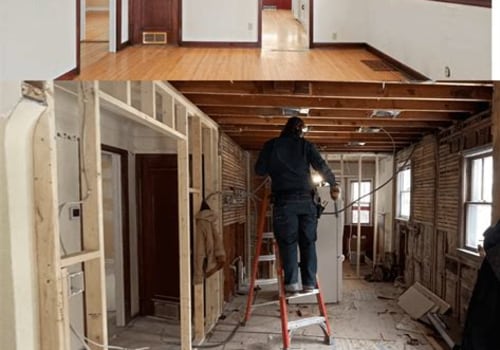
The contractor chosen for a construction project can affect far more than the finished appearance. Workmanship, scheduling, costs, communication, property protection, and problem-solving all depend on the company managing the work.
This applies to remodels, additions, exterior improvements, and larger residential projects. Comparing contractors carefully before signing can reduce confusion and help homeowners find a company whose experience and process fit the work.
Buildwith3h helps Port Orchard property owners plan and complete residential construction projects with clear scopes, practical expectations, and organized project management.
Define the Project Before Contacting Contractors
Contractor selection becomes easier when the project is clearly defined from the beginning.
Start by identifying the main goal. The project may need to repair damage, improve function, add space, update an outdated area, or prepare the home for future needs.
Separate required work from optional upgrades. This helps contractors understand which features must remain in the proposal and which can be adjusted to fit the budget.
Gather any available measurements, photographs, drawings, product preferences, and examples of the desired result. These materials do not need to form a complete construction plan, but they can give contractors a more consistent starting point.
A clear project description also makes estimates easier to compare. Contractors may price very different versions of the work when goals, materials, or priorities remain unclear.
Look for Relevant Project Experience
A contractor’s total number of years in business does not always show how prepared the company is for a specific project.
Ask about work similar in size, materials, layout, and complexity. A contractor experienced with exterior construction may not have the same background in detailed interior renovations, structural additions, or drainage corrections.
Discuss conditions that may affect the project, including access, slopes, occupied rooms, older construction, structural changes, or the need to coordinate several trades.
Find out which person on the team has the most relevant experience. The owner who prepares the estimate may not be the project manager or supervisor handling the daily work.
Local experience can be helpful when navigating common property conditions and project requirements, but it should be considered alongside workmanship, organization, and experience with the actual type of construction.
Review Contractor Registration and Insurance
Confirm the contractor’s legal business name before reviewing the rest of the proposal.
That name should match the Washington contractor registration, insurance documents, estimate, contract, invoices, and warranty information. Inconsistent names should be explained and corrected before an agreement is signed.
Ask for current registration information and proof of applicable insurance and bonding. Review the dates and confirm that the documents apply to the company being considered.
Credentials are an important starting point, but they do not prove that the contractor produces good work or manages projects effectively.
Registration and insurance should be reviewed together with relevant experience, references, previous work, communication, and the written project scope.
Examine the Quality of Past Work
Ask to see recent projects that closely resemble the work being planned.
Look beyond the overall appearance. Review alignment, transitions, trim, finishes, material installation, and consistency between different areas of the project.
Ask what portions of each job the contractor completed or supervised. A company may display a full renovation even though it was responsible for only one part of the work.
It can also be useful to ask when the project was completed and how the materials have performed over time. Recent photographs may show the installation clearly, while older projects can provide insight into durability.
A portfolio filled with unrelated work may not reveal much about the contractor’s ability to complete the proposed project.
Read Reviews for Patterns
Online reviews can help homeowners understand how a contractor works across several projects.
Check more than one source and compare recent comments with older feedback. Focus on details involving workmanship, communication, scheduling, billing, cleanup, and correction of problems.
One negative review does not automatically make a contractor a poor choice. Construction projects can involve disagreements and unexpected conditions.
Repeated complaints about the same issue deserve more attention. Frequent comments about unanswered calls, unexplained charges, unfinished work, or missed deadlines may show an ongoing pattern.
Notice how the contractor responds to criticism. A clear and professional response may show a willingness to resolve concerns, while a hostile or dismissive answer may raise questions about future communication.
Speak With Recent References
Ask for references from clients whose projects were similar in size, materials, and complexity.
Find out what work was completed and how closely the final cost matched the original proposal. Ask how the contractor communicated schedule changes, material decisions, and unexpected problems.
Past clients may also provide useful details about jobsite organization, cleanup, workmanship, and how quickly corrections were handled.
One of the clearest questions is whether the client would hire the contractor again. The explanation behind the answer can reveal strengths or concerns that may not appear in an online review.
References should support the rest of the contractor evaluation rather than replace registration, insurance, portfolio, and contract checks.
Evaluate Communication From the Beginning
Pay attention to how the contractor communicates during the first calls, meetings, and site visits.
Responses should be clear enough to help the homeowner understand the process without avoiding reasonable questions. Long delays, vague answers, or constantly changing information may become more frustrating after construction begins.
Ask who will serve as the main contact once the project starts. The person preparing the estimate may not be the one providing updates or supervising the work.
Discuss how approvals, selections, schedule changes, and added work will be documented. Important decisions should be recorded in writing rather than left to memory.
Good communication does not require constant contact, but homeowners should know when updates will arrive and who can answer questions.
Understand the Contractor’s Project Management Process
A contractor needs a clear system for coordinating labor, materials, inspections, deliveries, and subcontractors.
Ask who will supervise the jobsite and how often that person will be present. Find out how progress is tracked and how the team confirms that each phase is ready for the next trade.
The contractor should also explain how material orders and deliveries are scheduled. Missing products or poorly timed deliveries can leave a project inactive and create unnecessary disruption.
Ask what happens when one stage falls behind. A well-organized contractor should have a process for updating the schedule, contacting affected trades, and informing the homeowner.
Clear project management helps keep daily decisions from becoming larger scheduling or cost problems.
Ask About Employees and Subcontractors
Many construction companies use subcontractors for specialized portions of a project.
Ask which work will be completed by the contractor’s employees and which parts may be assigned to plumbing, electrical, roofing, concrete, or other trade companies.
The main contractor should explain how subcontractors are selected, how their credentials are reviewed, and who inspects their finished work.
Clarify who coordinates their schedules and handles corrections. Homeowners should not be left to settle responsibility between several companies when a problem appears.
Subcontracting is common and can bring specialized experience to the project. It works best when the primary contractor remains responsible for supervision, communication, and the complete scope.
Compare Detailed Project Scopes
The project scope should explain exactly what each contractor plans to provide.
Review preparation, demolition, installation, cleanup, disposal, and restoration. Confirm who will protect nearby surfaces and repair areas disturbed during the work.
Material descriptions should identify brands, product lines, grades, finishes, or allowances when possible. General terms such as standard materials can make two proposals difficult to compare.
Ask for a clear list of exclusions. One contractor may include debris removal, permits, or final repairs while another expects the homeowner to arrange those items separately.
A lower price may reflect a smaller scope rather than a better deal. Compare what each proposal includes before comparing the final totals.
Compare Estimates Beyond the Total Price
The lowest estimate is not always the least expensive option once the project is complete.
Review how each contractor has priced labor, materials, equipment, permits, disposal, and other major costs. Make sure the proposals cover the same work before comparing their totals.
Ask which amounts are fixed and which are allowances. Allowances can change when the final product selections are made, so unrealistically low figures may increase the final cost.
A proposal that is much lower than the others should be explained. Important preparation, repairs, cleanup, or materials may have been omitted.
The strongest estimate is usually the one that clearly explains what is included, what is excluded, and what may change.
Consider Material Quality and Availability
Ask which brands, product lines, grades, and finishes are included in the proposal.
Two materials may look similar while differing in durability, maintenance needs, warranty coverage, and price. Contractors should be able to explain why a particular product is recommended for the project.
Availability also affects scheduling. Some materials may require long lead times, while others may be discontinued or difficult to replace later.
Discuss how substitutions will be handled if the original product becomes unavailable. The homeowner should approve any change that affects appearance, performance, warranty, or cost.
Material decisions should consider long-term use rather than appearance alone.
Review the Proposed Timeline
Ask for an estimated start date, overall duration, and major project milestones.
The schedule should account for planning, permits, inspections, material deliveries, subcontractors, weather, and cleanup.
Find out when the homeowner must make product selections or approve changes. Late decisions can delay ordering and affect several later stages.
Ask how schedule updates will be communicated if materials arrive late or one phase takes longer than expected.
A realistic timeline is more useful than an aggressive promise that leaves no room for common construction delays.
Discuss Budget Management and Changes
Ask how the contractor tracks project costs after construction begins.
The agreement should include a clear change-order process for added work, upgraded materials, hidden damage, or other changes to the original scope.
Additional work should be described and priced in writing before it begins whenever practical. The homeowner should understand how the change affects both the budget and schedule.
Ask how credits are handled when materials or work are removed from the project. Reductions should be documented as clearly as added costs.
Discussing likely cost changes early can prevent informal decisions from becoming unexpected charges near the end of the job.
Understand the Payment Schedule
Review the deposit and full payment schedule before signing the contract.
The agreement should explain how much is due, when each payment is required, and what progress must be completed before the next payment.
Payments may be tied to delivered materials, completed phases, inspections, or other defined milestones.
Ask what work must be finished before final payment. Cleanup, corrections, documentation, and required approvals should be addressed.
Keep receipts and written records for every payment. The schedule should match the size and progress of the project rather than requiring most of the cost before substantial work is completed.
Confirm Permit and Inspection Responsibilities
Ask which permits, reviews, or inspections may apply to the proposed work.
Requirements can vary based on the project type, property conditions, and construction scope. A contractor should be willing to research the actual requirements rather than relying on a general answer.
Clarify who will prepare applications, pay permit fees, schedule inspections, and communicate with reviewing officials.
The agreement should also explain who handles correction notices or failed inspections. Homeowners should know who is responsible for completing corrections and how any effect on the schedule or price will be documented.
Putting these duties in writing helps prevent delays and confusion once construction begins.
Consider Property Protection and Cleanup
Construction can affect areas beyond the immediate work zone.
Ask how the contractor will control dust, debris, noise, equipment movement, and material storage. Floors, walls, landscaping, driveways, and nearby rooms may need protection throughout the project.
Discuss access routes and how occupied parts of the home will remain usable when practical. Pets, children, neighbors, parking, and deliveries may also affect the site plan.
Ask what cleanup will happen at the end of each workday and what final cleanup includes.
The contract should identify who removes debris and repairs accidental damage outside the original work area.
Review Warranty and Follow-Up Service
Ask what workmanship warranty the contractor provides and how long it remains active.
Contractor coverage may differ from manufacturer warranties connected to roofing, flooring, fixtures, appliances, or other products. Review both so it is clear who handles each type of problem.
Ask about exclusions and homeowner maintenance requirements. Some coverage may depend on routine cleaning, sealing, ventilation, drainage, or other care.
The contractor should explain how warranty requests are submitted and how quickly the company usually responds.
Follow-up service matters because some problems do not become visible until after the project is complete and final payment has been made.
Pay Attention to Warning Signs
Several concerns may suggest that a contractor is not a good fit for the project:
Pressure to sign immediately
Unclear or inconsistent business information
Refusal to provide registration or insurance documents
Vague estimates with little supporting detail
Requests for large undocumented payments
Claims that the price or schedule can never change
Suggestions that required permits should be avoided
Resistance to written change orders
One issue may have a reasonable explanation, but repeated inconsistencies should not be dismissed.
A qualified contractor should be willing to answer questions, explain the proposal, and document important responsibilities before work begins.
Consider the Overall Working Relationship
The contractor’s credentials and estimate matter, but homeowners should also consider how the company handles communication and decision-making.
Pay attention to professionalism, patience, organization, and willingness to explain details. The contractor should listen to the owner’s goals instead of pushing a standard solution that does not fit the property.
Ask how disagreements or concerns are handled. A contractor who becomes defensive during early discussions may be difficult to work with when larger problems appear.
Personality alone should not determine the choice. Trust should be supported by relevant experience, verified credentials, a detailed scope, and a clear written agreement.
The strongest working relationship is usually one where both parties understand the expectations and feel comfortable raising questions before they become conflicts.
Select a Contractor Who Fits the Project
Selecting a contractor requires more than choosing the lowest estimate or the company with the longest history.
The best fit should have relevant experience, current credentials, strong past work, clear communication, and a project-management process suited to the job.
Homeowners should also compare the scope, materials, timeline, payment schedule, permit responsibilities, property protection, and warranty terms before signing.
A contractor who explains the work clearly and documents important details can reduce confusion once construction begins.
Buildwith3h helps Port Orchard property owners plan and complete residential construction projects with practical scopes, organized communication, and clear expectations.
Contact us to discuss your project and learn more about our construction services in Port Orchard.