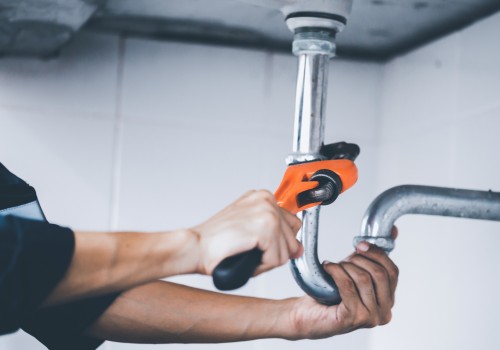
Water can be wasted through leaking fixtures, outdated plumbing, inefficient hot-water delivery, and poorly controlled irrigation. Some of this waste is easy to notice, while hidden leaks and unnecessary flow may continue for months before they attract attention.
Saving water does not have to mean accepting weak pressure, poor flushing, or fixtures that are difficult to use. The right improvements can reduce unnecessary consumption while supporting the normal needs of a home or business.
Buildwith3h helps Port Orchard property owners coordinate water-saving plumbing improvements with remodeling, fixture installation, outdoor upgrades, and broader construction work.
Start With a Water-Use Review
Before selecting new fixtures or equipment, review where the property uses the most water.
In a home, the main areas may include bathrooms, kitchens, laundry rooms, appliances, and outdoor irrigation. Commercial properties may also use water for customer restrooms, employee areas, cleaning stations, production equipment, and grounds maintenance.
Compare normal use with recent utility bills and note any unexplained increases. A sudden change may point to a leak, running toilet, damaged irrigation line, or equipment problem.
The review should also consider when demand is highest. A household may use the most water in the morning and evening, while a restaurant or office may experience heavier use during business hours.
Understanding where water goes makes it easier to prioritize repairs and upgrades. The largest source of waste may not be the most visible fixture.
Repair Leaks Before Upgrading Fixtures
Leaks should be addressed before new water-saving products are installed.
Dripping faucets, running toilets, worn valves, damaged appliance connections, and leaking pipes can waste water continuously. Hidden leaks may also damage cabinets, walls, floors, insulation, and framing.
Common warning signs include:
Water stains
Damp or soft materials
Corroded fittings
Unexplained odors
The sound of running water
Unexpected increases in water use
Wet areas near appliances or fixtures
The source should be repaired rather than simply covering the visible damage. A stained wall or swollen cabinet may indicate that water is still entering the area.
Once repairs are complete, affected materials should be inspected and allowed to dry before restoration work begins. Correcting leaks first provides a stable foundation for later efficiency upgrades.
Install Water-Saving Faucets and Aerators
Water-saving faucets and aerators can reduce flow while still providing a practical stream for washing, rinsing, and cleaning.
An aerator mixes air into the water at the end of the faucet. This can make the stream feel fuller while limiting the amount of water moving through the fixture.
The right flow rate depends on how the faucet is used. A bathroom sink may work well with lower flow, while a kitchen, service sink, or commercial cleaning area may require more water to complete tasks efficiently.
Before installing an aerator or new faucet, check the existing water pressure and fixture condition. A clogged aerator, worn cartridge, or restricted supply line may already be reducing performance.
Durability and replacement-part availability should also be considered, especially in commercial restrooms or other high-use areas. The goal is to reduce waste without making routine tasks slower or more difficult.
Upgrade Showerheads
Water-saving showerheads can reduce the amount of water used during showers without requiring major plumbing changes.
Performance depends on more than the listed flow rate. Spray pattern, pressure, coverage, and the condition of the existing shower valve can all affect comfort.
A lower-flow model may work well when the home has suitable pressure. If pressure is already weak, the plumbing system should be evaluated before selecting a new showerhead.
Adjustable settings can be useful when several people share the same bathroom and prefer different spray patterns.
During a bathroom remodel, showerhead replacement can also be coordinated with new valves, supply piping, waterproofing, and wall finishes. Product specifications should be reviewed before rough plumbing is completed so connection locations and mounting heights match the approved fixture.
Choose Efficient Toilets
Modern toilets can reduce water use while still providing dependable flushing when the right model is selected.
Water consumption is only one factor. Bowl design, trapway size, flushing performance, maintenance needs, and replacement-part availability should also be reviewed.
The expected amount of use matters. A toilet in a private home may have different demands from one installed in an office, restaurant, retail space, or other high-traffic location.
Before ordering, confirm the rough-in measurement, drain location, available space, and clearance around nearby walls or cabinets. A toilet that does not fit the existing layout may require drainage or flooring changes.
Efficient toilets should be selected for dependable everyday use rather than based only on the lowest advertised water consumption.
Consider Dual-Flush Toilets
Dual-flush toilets provide two flushing options based on the type of waste being removed.
The lower-volume setting is intended for liquid waste, while the full flush provides more water for solid waste. This gives users more control over how much water is used during each flush.
Dual-flush models may work well in homes, employee restrooms, and some commercial properties. However, the controls should be easy to understand, especially in public spaces where many people use the fixture.
Before selecting a model, review:
Flushing performance
Ease of operation
Rough-in dimensions
Cleaning needs
Replacement-part availability
Expected daily use
A dual-flush toilet is only one efficient option. It should be compared with other modern toilets based on performance, maintenance, and how the restroom is used.
Use Automatic Fixture Controls Carefully
Sensor-operated faucets and automatic flush controls can reduce water waste caused by fixtures being left running.
These products are often useful in commercial restrooms, employee areas, medical spaces, and other high-use locations. They may also reduce the need for users to touch handles.
Automatic controls still require planning and maintenance. Sensors may need adjustment, batteries or electrical connections, and periodic cleaning to continue operating correctly.
A poorly adjusted faucet may run too long, activate unexpectedly, or shut off before the user is finished. Automatic flush controls may also operate unnecessarily when the sensor does not match the restroom layout.
Commercial-grade products are generally better suited to busy public spaces. The selected controls should fit the property’s traffic, maintenance capabilities, and available power.
Add Leak-Detection Technology
Leak-detection systems can help property owners identify plumbing problems before they cause extensive damage.
Basic moisture sensors provide an alert when water is detected. More advanced systems may monitor water use, identify unusual flow, or automatically close the main supply when a possible leak occurs.
Useful locations may include:
Near water heaters
Beneath sinks
Behind toilets
Beside washing machines
Near dishwashers
Inside utility rooms
Around vulnerable piping
An alert system informs the property owner that water has been detected but may not stop the leak. An automatic shutoff system can close the supply, but it should be tested and maintained so it works when needed.
Connectivity, power, valve access, and notification settings should be reviewed during installation. Manual shutoff valves should remain accessible even when automatic equipment is added.
Improve Hot-Water Delivery
Water may be wasted while users wait for hot water to reach a distant faucet, sink, or shower.
Long pipe runs allow water inside the line to cool between uses. That cooled water must clear before newly heated water reaches the fixture.
Possible improvements may include:
Insulating accessible hot-water piping
Shortening or rerouting long pipe runs during remodeling
Relocating water-heating equipment
Installing point-of-use equipment where appropriate
Considering a controlled recirculation system
Recirculation can improve delivery time, but it may also add pumps, controls, electrical use, maintenance, and heat loss. The system should be designed around actual use rather than operating continuously without a clear need.
Water savings should be balanced with energy use, installation cost, and long-term maintenance.
Select an Efficient Water-Heating System
Water-heating equipment should be selected based on the property’s actual demand.
Storage water heaters, tankless systems, and other available options operate differently. Each may provide useful benefits depending on household size, business activity, peak demand, utilities, and installation space.
The project team should review:
Required hot-water capacity
Recovery time or flow rate
Gas or electrical service
Venting
Equipment clearances
Drainage needs
Maintenance requirements
Distance to frequently used fixtures
A tankless system may reduce stored-water heat loss and save space, but it still has output limits. It may also require utility or venting changes.
The best choice is the system that reliably supports the property without adding unnecessary capacity or complicated equipment that does not provide a practical benefit.
Improve Commercial Restroom Efficiency
Commercial restrooms may use a large amount of water because fixtures operate repeatedly throughout the day.
Toilets, urinals, faucets, and automatic controls should be selected for both efficiency and durability. A product that performs well in a private home may not hold up in a busy office, restaurant, retail space, or public facility.
The restroom design should consider:
Daily traffic
Cleaning routines
Accessibility
Fixture maintenance
Replacement-part availability
Shutoff and valve access
Sensor-operated fixtures may help reduce unnecessary flow, but they still need proper adjustment and routine service.
Valves, controls, and other serviceable components should remain accessible after walls, counters, and partitions are installed. Efficient restroom fixtures provide more value when they are easy to maintain and suited to the property’s actual use.
Reduce Water Used for Cleaning
Cleaning areas can waste water when hoses, spray equipment, and service sinks are not matched to the task.
Worn hose connections, leaking valves, and nozzles that do not shut off fully may allow water to run longer than necessary. These components should be inspected and repaired before new equipment is added.
Useful improvements may include:
Trigger-operated spray nozzles
Accessible shutoff valves
Properly sized service sinks
Updated hose connections
Equipment with adjustable flow
Clear controls for cleaning staff
Higher flow is not always needed for effective cleaning. The right pressure and spray pattern may allow a task to be completed with less water.
In commercial settings, employees should also understand how the equipment is intended to operate. Proper use and routine maintenance can be as important as the fixture itself.
Upgrade Appliance Connections
Appliances and commercial equipment can contribute to water waste through damaged supply lines, leaking valves, or inefficient operation.
Washing machines, dishwashers, ice machines, refrigerators, and other connected equipment should be reviewed for signs of leaks, corrosion, and poor drainage.
Replacement or installation should account for:
Water pressure
Supply-line size
Hot-water needs
Drainage capacity
Shutoff access
Manufacturer instructions
Equipment clearances
Braided lines, valves, and other connections should be selected for the appliance and kept accessible for future service.
When older equipment is replaced, water use can be considered along with capacity, operating cost, and expected performance. The plumbing system must still support the new appliance without creating pressure or drainage problems elsewhere.
Use Smart Irrigation Controls
Smart irrigation controls can adjust watering based on schedules, weather conditions, and soil needs.
Traditional timers may continue watering during rainfall or operate longer than the property requires. Updated controls can help reduce unnecessary watering by responding to changing conditions.
A smart irrigation plan may use:
Weather-based scheduling
Rain sensors
Soil-moisture sensors
Separate watering zones
Remote monitoring
Seasonal adjustments
Different areas of a property may need different amounts of water. Shaded planting beds, sunny lawns, and established shrubs should not automatically receive the same schedule.
Controls still need proper setup and inspection. A smart controller cannot correct broken heads, leaking valves, poor coverage, or damaged underground lines.
Improve Irrigation Distribution
Efficient irrigation depends on where the water goes, not only how long the system runs.
Broken heads, overspray, runoff, and poorly placed emitters can send water onto sidewalks, walls, parking areas, or other surfaces that do not need it.
The system should be checked for:
Uneven coverage
Clogged or damaged emitters
Leaking valves
Low or excessive pressure
Water running down slopes
Spray hitting buildings or pavement
Zones serving plants with different needs
Drip irrigation may work well for some planting beds because it applies water closer to the root area. It is not automatically the best choice for every part of a property.
Adjusting heads, repairing leaks, and dividing the system into practical zones can improve coverage without simply increasing watering time.
Consider Rainwater Collection
Rainwater collection can provide water for suitable outdoor and nonpotable uses.
A basic system may collect water from a roof, direct it through gutters and downspouts, and store it in a tank or cistern. Filters, screens, overflow routes, and pumps may also be needed depending on the design.
Possible uses may include:
Watering planting beds
Supplying certain irrigation zones
Outdoor cleaning
Other approved nonpotable applications
The collection surface, tank size, available space, and expected rainfall should all be reviewed before installation.
Stored water also requires maintenance. Gutters, screens, filters, tanks, pumps, and overflow areas should be kept clean and functional.
Rainwater systems should be planned carefully so collected water does not create contamination, drainage, or mosquito problems. Applicable requirements should be confirmed before the system is designed or installed.
Explore Greywater Only When Appropriate
Greywater systems may reuse water from selected household or building sources for limited nonpotable purposes.
These systems require more planning than simply redirecting a drain. The source water, intended use, treatment, storage, piping, and maintenance all need to be evaluated.
Potable and nonpotable water systems should remain clearly separated. Pipes, valves, and controls may also need clear labeling so the system is not confused with the drinking-water supply.
Greywater may not be suitable for every property. Space limitations, plumbing layout, soil conditions, maintenance demands, and project requirements can affect whether the system is practical.
This type of project should involve qualified professionals who understand system design and the approvals that may apply.
Reduce Water Loss From Excessive Pressure
Excessive water pressure can increase flow while placing added strain on the plumbing system.
High pressure may contribute to leaking fixtures, damaged appliance lines, noisy pipes, worn valves, and shortened component life.
The system should be tested rather than judged by how forceful the water feels at one faucet. Pressure can vary based on the incoming service, building height, valves, and plumbing layout.
When needed, pressure-regulating equipment may help bring the system into a more suitable operating range.
Pressure should not be reduced so far that showers, fixtures, irrigation, or commercial equipment stop working properly. The goal is to support normal use while limiting unnecessary stress and water flow.
Choose Products Based on Real Performance
A product labeled water-efficient is not automatically the best choice for every property.
Fixtures and equipment should be compared based on:
Flow or flushing performance
Durability
Expected daily use
Maintenance needs
Replacement-part availability
Warranty coverage
Compatibility with existing plumbing
Available water pressure
A low-flow faucet may work well in a bathroom but slow down tasks at a commercial service sink. A highly specialized fixture may save water but become difficult to repair if replacement parts are not readily available.
Manufacturer specifications should be reviewed before products are ordered. The selected fixture should fit the plumbing system and provide dependable performance under normal use.
Coordinate Water-Saving Upgrades With Remodeling
Remodeling provides a useful opportunity to improve water efficiency while plumbing areas are already open.
Fixtures, equipment, valves, and connection points should be selected before rough plumbing begins. Late changes can affect walls, cabinets, countertops, flooring, electrical work, and finishes.
Open construction areas may make it easier to:
Replace damaged or restricted piping
Add accessible shutoff valves
Improve hot-water routing
Install leak-detection equipment
Update appliance connections
Prepare for efficient fixtures
Product dimensions and installation requirements should be confirmed before framing and plumbing locations are finalized.
Coordinating the upgrades with the rest of the remodel can reduce rework and help the new fixtures operate as intended.
Review Permits and Project Requirements
Some water-saving plumbing improvements may require permits, inspections, or additional review.
The requirements can depend on the property, project scope, equipment, and type of installation. Replacing a faucet may follow a different process from relocating plumbing, installing a new water heater, adding rainwater collection, or modifying an irrigation system.
The project team should determine who will:
Research applicable requirements
Prepare permit applications
Submit plans or product information
Pay permit fees
Schedule inspections
Respond to correction requests
Work that requires inspection may need to remain visible until it has been reviewed. Closing walls, floors, or ceilings too early can lead to completed surfaces being reopened.
Requirements should be confirmed for the actual Port Orchard property rather than assumed from another project.
Compare Installation Cost With Long-Term Value
Water-saving upgrades should be evaluated by more than their purchase price.
A lower-cost fixture may require frequent repairs or provide poor performance. A more advanced system may reduce water use but add controls, maintenance, or replacement costs that do not make sense for the property.
Consider:
Product cost
Installation labor
Required plumbing changes
Electrical or control work
Maintenance needs
Replacement-part availability
Expected service life
Likely water savings
Necessary leak repairs should usually be addressed before optional technology upgrades.
Savings can vary based on household size, business traffic, current fixtures, water rates, and daily habits. Estimates should be treated as planning information rather than guaranteed results.
The strongest investments often address a documented source of waste while improving reliability or everyday use.
Choose a Qualified Contractor
Water-saving plumbing projects should be handled by a contractor with experience related to the proposed work.
Review registration, insurance, references, and examples of similar residential or commercial projects. Ask about experience with efficient fixtures, leak-detection systems, water heaters, irrigation controls, or rainwater collection when those features are included.
The contractor should explain:
Which products are recommended
Why they fit the property
What plumbing changes are required
Who handles permits and inspections
How other trades will be coordinated
What maintenance the system will need
Which warranties apply
Compare proposals by their complete scope rather than price alone. One estimate may include testing, permits, restoration, and setup while another excludes those services.
Clear communication helps property owners understand how the upgrade will operate and what responsibilities continue after installation.
Maintain Water-Saving Plumbing Improvements
Efficient plumbing fixtures and systems still need routine inspection and maintenance.
Aerators and showerheads may collect sediment. Automatic faucets and flush controls may need sensor adjustments or replacement batteries. Leak-detection systems should be tested so alerts and automatic shutoff functions remain reliable.
Irrigation and rainwater systems may require seasonal checks for:
Leaking valves
Broken or clogged emitters
Damaged underground lines
Dirty filters or screens
Pump problems
Blocked overflow routes
Incorrect controller settings
Water heaters, pressure-regulating equipment, and other mechanical components should be serviced based on their condition and manufacturer instructions.
Keep product information, warranties, permits, inspection records, and maintenance notes in one location. Good records can make future repairs and replacements easier.
Build a Practical Water-Conservation Plan
A useful water-conservation plan begins by identifying how the property uses water and where avoidable waste occurs.
Leak repairs, efficient fixtures, pressure adjustments, better hot-water delivery, appliance connections, irrigation controls, and rainwater collection may all play a role. Not every property needs every available system.
Improvements should be selected around the existing plumbing, household or business demand, available space, maintenance needs, and project budget.
Buildwith3h helps Port Orchard homeowners and business owners coordinate water-saving plumbing improvements with remodeling, outdoor upgrades, equipment installation, and broader construction work.
Contact us to discuss your property and the plumbing improvements that may reduce water waste while supporting reliable everyday performance.