A roofing project involves more than selecting shingles or panels. The contractor’s preparation, installation methods, communication, and attention to water protection can affect how well the finished roof performs.
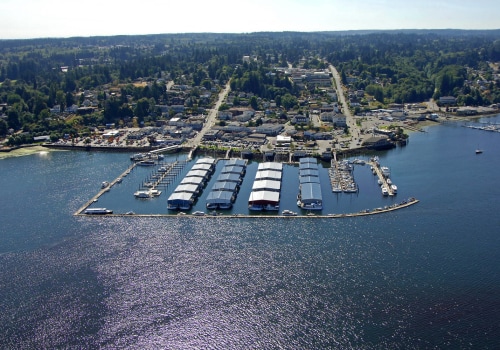
This is especially important in Port Orchard, where repeated rain and seasonal moisture can expose weak flashing, poor drainage, and incomplete roof preparation. A roof that looks finished from the ground may still develop problems when concealed details are handled incorrectly.
Homeowners should compare contractors carefully before signing an agreement. Experience, registration, insurance, project examples, references, estimates, warranties, and communication all deserve attention.
Buildwith3h helps Port Orchard property owners coordinate roof repairs, replacements, and related exterior construction based on the building’s condition and project needs.
Define the Roofing Project First
Before contacting contractors, develop a basic understanding of the work the roof may need.
The project could involve:
Replacing missing shingles
Repairing flashing
Correcting a limited leak
Replacing one roof section
Completing a full roof replacement
Repairing damaged decking
Improving ventilation
Replacing gutters
Adding or removing skylights
Changing roofing materials
Look for visible warning signs such as loose materials, dark stains, sagging areas, moss growth, damaged flashing, overflowing gutters, or water marks inside the attic.
Record the roof’s current material, approximate age, slope, and known problem areas. Photographs can help document leaks and exterior damage, although a professional inspection may still be needed to locate the actual source.
A visible ceiling stain does not always identify where water entered. Moisture can travel beneath the roofing or along framing before appearing indoors.
Give each contractor similar information when requesting an estimate. Comparing proposals becomes difficult when one contractor is pricing a small repair and another is preparing for a complete replacement.
The final scope should be based on an inspection of the roof, decking, flashing, drainage, and related conditions rather than assumptions made from the ground.
Look for Relevant Roofing Experience
General construction experience does not automatically mean a contractor has the skills required for every roofing system.
Ask how long the company has performed roofing work and what portion of its projects involve roofs similar to yours.
Relevant experience may include:
Asphalt shingles
Standing-seam metal
Exposed-fastener panels
Tile
Wood shakes or shingles
Synthetic roofing
Flat or low-slope membranes
Residential roofs
Commercial roofs
Complex rooflines
Different systems require different fastening, flashing, layout, drainage, and ventilation methods.
A contractor who regularly installs asphalt shingles may not have the same experience with metal expansion, tile weight, wood maintenance, or membrane seams.
Roof shape matters as well. Valleys, dormers, chimneys, skylights, wall connections, and low-slope sections can make installation more complicated.
Ask contractors to describe roofing projects that involved similar materials and structural conditions. Their answers should explain how they approached preparation, water protection, ventilation, and unexpected damage.
Years in business can be useful information, but the number alone does not prove that the contractor has relevant experience. Focus on the quality and type of roofing work the company has completed.
Verify Contractor Registration and Insurance
Confirm the contractor’s business and insurance information before allowing roofing work to begin.
Request current documentation related to:
Contractor registration
General liability insurance
Workers involved in the project
Business name
Contact information
Applicable product certifications
Do not rely only on a logo, website statement, or verbal claim. Information can expire or change, so it should be reviewed for the period when the roofing project will occur.
General liability insurance may provide protection when the contractor’s work damages the property or causes injury to another party. Coverage for workers is also important because roofing involves ladders, elevated surfaces, equipment, and falling materials.
The name shown on the estimate and contract should match the business information being verified. Ask for an explanation when the project documents use a different company or individual name.
Registration and insurance do not guarantee high-quality work, but missing or unclear information creates added risk.
Keep copies of the documents with the proposal, contract, permits, product information, warranties, and final project records.
Review Completed Roofing Projects
Completed projects can show how the contractor handles roofing details that may not be obvious in a list of qualifications.
Ask to see examples involving the same material, roof shape, or building type being considered.
Review details such as:
Valleys
Roof edges
Ridges
Chimney flashing
Skylights
Plumbing vents
Wall connections
Metal panel seams
Tile alignment
Low-slope transitions
Gutters and downspouts
A distant photograph may show the roof’s general appearance, but closer images can provide more useful information about cuts, flashing, alignment, and finish work.
Ask when each project was completed. A recently finished roof may look clean, but an older example can provide more insight into how the work has performed over time.
When addresses or site visits are available, respect the property owner’s privacy and view the roof only with permission.
Also notice the condition of the surrounding property. Siding, windows, driveways, decks, and landscaping should be protected during roofing removal and installation.
Project photographs should support the contractor’s claims, but they should not replace direct references, written qualifications, or a detailed proposal.
Read Reviews With Context
Online reviews can provide useful information about communication, scheduling, cleanup, pricing, and how the contractor handles problems.
Look across several sources instead of relying on one platform.
Pay attention to repeated comments about:
Arriving as scheduled
Explaining the work
Keeping the property clean
Staying close to the estimate
Handling change orders
Responding to leaks
Completing corrections
Honoring warranties
Communicating delays
Patterns are more useful than one unusually positive or negative review.
A contractor with mostly strong feedback may still have a complaint. The response can show whether the company addressed the concern professionally, explained the situation clearly, or ignored the customer.
Perfect ratings with only a small number of reviews should be considered cautiously. A larger collection of detailed reviews may provide a clearer picture of the company’s long-term performance.
Look for comments involving projects similar to yours. Feedback about a gutter repair may not reveal how the contractor manages a complete metal roof or low-slope membrane installation.
Reviews are one part of the decision. They should be considered alongside references, experience, registration, insurance, completed projects, and the written scope of work.
Request and Contact References
References allow homeowners to ask previous clients direct questions about the contractor’s work.
Request recent references for projects involving a similar roof material, building type, or scope. A reference from a small repair may not provide enough information about how the contractor manages a full roof replacement.
When contacting references, ask:
What type of roofing work was completed?
Was the project started and finished as expected?
Did the final cost remain close to the estimate?
Were changes explained before added work began?
Was the property protected during construction?
Did the crew clean up thoroughly?
Were final corrections completed promptly?
Has the roof developed any problems?
Would you hire the contractor again?
Confirm that the person providing the reference actually hired the contractor for the project being discussed.
Ask how the contractor handled unexpected conditions. Roofing removal may reveal damaged decking, old flashing, wet insulation, or framing concerns that were not visible during the first inspection.
The contractor’s response to these conditions can reveal as much as the finished roof. Homeowners should look for clear explanations, written pricing, and reasonable options instead of surprise charges.
References are most useful when their projects closely match the roofing work being planned.
Evaluate Local Knowledge
A contractor familiar with Port Orchard may have experience with the area’s rain, seasonal moisture, trees, moss growth, and property conditions.
Local knowledge may help with:
Roofing material selection
Wet-weather protection
Moss and debris concerns
Attic ventilation
Flashing details
Gutter capacity
Downspout placement
Permit procedures
Material delivery
Construction scheduling
Ask how the contractor protects exposed decking and unfinished roofing when rain is expected. Tarps and temporary coverings should be installed carefully so water does not enter beneath them or collect in low areas.
Nearby trees may also affect the roofing plan. Leaves, needles, branches, and shade can contribute to blocked drainage and slower drying.
A contractor should understand that moisture protection involves more than the outer roofing material. Underlayment, flashing, ventilation, gutters, and site drainage all contribute to the completed system.
Local experience is helpful, but it should not replace registration, insurance, technical knowledge, references, or a detailed written proposal.
The best candidate combines familiarity with local conditions and direct experience with the roofing system being installed.
Confirm Experience With the Roofing Material
Each roofing material has its own preparation, fastening, flashing, and installation requirements.
Ask how often the contractor works with the exact material being considered.
This may include:
Three-tab asphalt shingles
Architectural shingles
Standing-seam metal
Exposed-fastener metal panels
Clay or concrete tile
Wood shakes or shingles
Synthetic roofing
EPDM
TPO
Modified bitumen
Metal panels must be installed in a way that accounts for expansion, contraction, panel layout, and compatible flashing. Tile roofing requires careful structural review and handling. Wood roofing brings added moisture and maintenance concerns.
Low-slope membranes depend heavily on seam work, drainage, edge details, and properly sealed penetrations.
Ask about manufacturer training or product certifications when they apply. Some warranty programs may require installation by an approved contractor or strict compliance with product instructions.
The contractor should also be able to explain the material’s maintenance requirements and common failure points.
Direct questions can help separate actual product experience from a contractor who is willing to try an unfamiliar system for the first time.
Compare Detailed Written Estimates
A roofing estimate should describe what the contractor will do and which materials will be installed.
A detailed proposal may identify:
Roofing manufacturer
Product line
Color and profile
Removal of existing materials
Disposal
Deck inspection
Deck repairs
Underlayment
Flashing
Fasteners
Ventilation work
Ridge and edge materials
Gutters or drainage
Permits
Cleanup
Avoid comparing estimates based only on the total price. Two contractors may offer different preparation, materials, flashing, ventilation, and warranty coverage.
One proposal may include complete removal of the existing roofing, while another may assume that new materials will be installed over the current surface. These are not equal scopes.
The estimate should also explain which work is excluded. Skylight replacement, gutter work, chimney repairs, structural corrections, or interior water damage may require separate pricing.
Product descriptions should be specific enough that substitutions can be identified. Broad terms such as “premium shingles” or “quality underlayment” do not explain what will actually be used.
A complete estimate makes it easier to compare contractors and hold the selected company to the agreed scope.
Understand Allowances and Possible Added Costs
Some roof damage cannot be confirmed until the existing material is removed.
The contractor may discover:
Soft roof decking
Rot
Wet insulation
Damaged rafters
Corroded flashing
Multiple roofing layers
Improper previous repairs
Ventilation problems
Hidden structural changes
The proposal should explain how this added work will be priced.
Some contractors use a unit price for each sheet of roof decking replaced. Others may provide hourly labor rates and material costs for repairs that cannot be predicted in advance.
Ask for these rates before signing the contract.
Allowances may also be used for materials or work that has not been fully selected. The contract should identify the allowance amount and explain what happens when the final choice costs more or less.
Reasonable funds should remain available for concealed damage, but contractors should not treat an open-ended allowance as permission to add work without approval.
Changes should be documented through a written change order describing the condition, recommended repair, cost, and schedule effect.
The homeowner should approve optional additions before the work begins whenever immediate safety or weather protection does not require urgent action.
Ask How the Roof Will Be Prepared
The quality of a new roof depends heavily on the condition of the surface beneath it.
Ask the contractor to explain what will happen after the existing roofing is removed.
Preparation may include:
Removing old shingles, panels, or membranes
Inspecting the roof deck
Replacing damaged sheathing
Repairing framing
Removing old flashing
Correcting uneven surfaces
Preparing roof edges
Installing underlayment
Adding required water barriers
Protecting exposed areas from rain
Soft, wet, cracked, or deteriorated decking should not be covered by new roofing. Damaged sections need to be removed and replaced so the new fasteners have a sound surface.
The contractor should also inspect areas around chimneys, valleys, skylights, vents, walls, and roof transitions. These locations may contain hidden damage from previous leaks.
Ask whether the existing flashing will be replaced or reused. Old flashing may be corroded, bent, improperly installed, or incompatible with the new roofing material.
Weather protection should be part of the preparation plan. The contractor should explain how exposed sections will be covered if rain interrupts removal or installation.
A proposal focused only on the visible shingles or panels may leave important preparation work unclear.
Discuss Ventilation, Flashing, and Drainage
A roof is a complete system, not just the material visible from the ground.
The contractor should evaluate how ventilation, flashing, and drainage affect the building.
Important areas include:
Attic intake vents
Roof exhaust vents
Bathroom fan discharge
Kitchen ventilation
Valleys
Chimneys
Skylights
Plumbing vents
Wall connections
Gutters and downspouts
Poor ventilation may contribute to condensation, wet insulation, damaged decking, indoor moisture, and uneven temperatures.
Adding vents without reviewing the entire attic system may not correct the problem. Intake and exhaust openings need to work together, and insulation should not block required airflow.
Flashing must be suited to the selected roofing material. Asphalt shingles, metal panels, tile, wood, and low-slope membranes may require different details.
Drainage should move water off the roof and away from the structure. Gutters, downspouts, drains, and scuppers should be inspected for damage, poor placement, and limited capacity.
A contractor who discusses only the outer roofing material may overlook conditions that affect the roof’s long-term performance.
Review Permits and Inspections
Permit and inspection requirements depend on the property and the roofing work being completed.
A basic replacement using a similar material may have different requirements from a project involving:
Structural repairs
Roofline changes
New framing
Added skylights
Heavier roofing
Changes to ventilation
Low-slope roof alterations
New additions
The contractor should explain which permits or approvals may apply to the actual project.
The written agreement should identify who will:
Prepare documents
Submit applications
Pay fees
Schedule inspections
Attend inspections
Complete required corrections
Obtain final approval
Do not assume that permits are unnecessary because the contractor did not mention them.
Work that requires inspection may need to remain uncovered until it has been reviewed. Closing the roof too early may lead to added removal, delays, and repair costs.
Keep copies of permit applications, approved documents, inspection results, and final records with the roofing contract and warranties.
Compare Material and Workmanship Warranties
Roofing warranties usually include separate coverage for the material and the contractor’s installation.
A manufacturer warranty may address defects in the roofing product. A workmanship warranty covers certain problems related to how the contractor installed it.
Review each warranty for:
Coverage period
Included materials
Included labor
Transfer terms
Maintenance requirements
Exclusions
Claim procedures
Prorated coverage
Registration requirements
Installation conditions
A long warranty period does not automatically mean that every repair will be covered for the full term.
Some manufacturer warranties reduce coverage over time or exclude labor, removal, disposal, flashing, accessories, and damage caused by installation errors.
Ask who should be contacted when a problem appears. The contractor should explain how warranty inspections and repairs are handled.
Product certifications may affect available coverage. Some manufacturers offer different warranties when approved contractors install the complete roofing system.
Keep the contract, invoices, product labels, warranty documents, photographs, and permit records. Missing documentation may make a future claim more difficult.
Evaluate Communication and Project Management
Clear communication can make a major difference during a roofing project.
Before signing the contract, identify who will serve as the homeowner’s main point of contact.
Ask:
Who will supervise the crew?
Who provides schedule updates?
How will weather delays be communicated?
Who approves added work?
How are concerns documented?
Who completes the final walkthrough?
How are corrections scheduled?
The person providing the estimate may not be the person managing the installation each day.
Homeowners should know how to reach the project supervisor and how often updates will be provided.
Pay attention to communication during the estimate process. Contractors who regularly miss appointments, avoid direct questions, or provide unclear answers may continue the same habits after the contract is signed.
Changes involving cost, materials, or schedule should be documented in writing.
A strong project manager keeps the homeowner informed while coordinating workers, deliveries, inspections, cleanup, and repairs without requiring the homeowner to direct each trade individually.
Ask About Property Protection and Cleanup
Roof removal can create falling debris, loose nails, dust, and heavy material movement around the property.
The contractor should explain how the crew will protect:
Siding
Windows
Doors
Driveways
Decks
Patios
Landscaping
Outdoor equipment
Vehicles
Neighboring areas
Tarps, plywood, barriers, and controlled debris handling may be used to protect surfaces near the work area.
Ask where roofing materials, equipment, trailers, and waste containers will be placed. Heavy containers can damage driveways or block access when their location is not planned carefully.
The proposal should also describe cleanup responsibilities.
Cleanup may include:
Removing old roofing
Collecting packaging
Clearing gutters
Sweeping driveways and walkways
Removing loose fasteners
Using magnetic tools to collect nails
Hauling away waste
Inspecting nearby areas after completion
Daily cleanup is helpful during multi-day projects, especially when children, pets, residents, or customers need to use the property.
Ask how the contractor will respond if siding, landscaping, pavement, or another surface is damaged during the work.
Property protection and disposal should be included in the written scope rather than treated as an informal promise.
Watch for Roofing Contractor Red Flags
Certain warning signs may indicate that a contractor is not prepared to manage the project responsibly.
Common concerns include:
Pressure to sign immediately
Vague estimates
Missing registration information
No proof of insurance
Unclear business identity
Refusal to provide references
No written warranty
Large payment demands without clear terms
No explanation of materials
Poor communication
Promises that every hidden condition is included
Requests to ignore permit requirements
Be cautious when a contractor provides a low total price but cannot explain the roofing product, underlayment, flashing, ventilation, or cleanup process.
A contractor should not promise that no added repairs will be needed before the existing roof has been removed and the deck inspected.
Material substitutions should not occur without explanation and approval. A different shingle, panel, membrane, or accessory may change the appearance, performance, warranty, or project cost.
High-pressure sales tactics can make it difficult to compare proposals or verify information.
Take enough time to review the contractor’s qualifications, estimate, warranties, and contract before making a decision.
Review the Roofing Contract Carefully
The roofing contract should bring the agreed project details into one written document.
Review the contract for:
Contractor name and contact information
Property address
Complete scope of work
Roofing manufacturer and product
Color and profile
Underlayment
Flashing
Fasteners
Ventilation work
Removal and disposal
Decking repair terms
Permit responsibilities
Project cost
Payment schedule
Warranty coverage
Cleanup
Change-order process
The agreement should also address estimated scheduling and how weather or material delays will be communicated.
Payment terms should be clear. Homeowners should understand when deposits, progress payments, and final payment are due.
Changes should be approved in writing before optional work begins. The change order should identify the added or removed work, cost, materials, and possible schedule effect.
The contract should explain how material substitutions will be handled if the original product becomes unavailable.
Read the complete agreement instead of relying on conversations or sales materials. Verbal promises are difficult to enforce when they do not appear in the signed contract.
Ask questions about unclear terms before signing and keep a complete copy with the project records.
Select the Right Roofing Contractor
The ideal roofing contractor should provide more than a competitive price.
Compare each candidate based on:
Relevant roofing experience
Registration and insurance
Material knowledge
Completed projects
References
Written estimate
Warranty terms
Communication
Property protection
Project management
A contractor should be able to explain how the roof will be removed, prepared, flashed, ventilated, installed, inspected, and cleaned.
The proposal should address both the visible roofing material and the concealed details beneath it. Underlayment, decking, flashing, fasteners, ventilation, and drainage all affect the finished roof.
The lowest estimate may exclude work that another contractor has included. Compare the complete scope before deciding that one proposal offers better value.
Select a contractor who answers questions clearly, documents project details, and has experience with the roofing system being installed.
Buildwith3h helps Port Orchard property owners coordinate roofing repairs, replacements, exterior improvements, and related construction needs.
Contact us to discuss your roofing project and begin planning the work with a clear scope, suitable materials, and careful attention to the details that protect your property.